September 8, 2012
 The key deliverables of M2M are efficiency, security and sustainability. M2M can also deliver convenience which mainly is relevant for the people involved. Well designed M2M implementations often deliver across all of these areas.
Public bus transportation is an important part of the transportation system. To pick the bus should be safe, energy-smart and help improve efficiency in the city. And except for peak hours when buses might be full, the ride should be convenient. But even though buses are quite similar the drivers have different driving style. A recent study at the University of Lund concludes that it is more dangerous to go by bus than by car in cities. Injuries from traffic accidents with buses are rare but a lot of people hurt themselves when they fall during the ride, when jumping on or off the bus or at the bus stop. This is one area where the driver makes a difference. Energy consumption, impact on traffic flow and convenience for the passengers are other areas where the bus drivers knowledge and style makes difference.
The public bus company in the city of Borås in Sweden are now installing a M2M system in the buses which measures how well the drivers drive. The metric used is passenger comfort and a lamp indicates performance: red means poor, yellow is ok and green is great.
I like this a lot since it’s an easy way to improve something in many different ways. Just by showing the performance the drivers will improve their driving – it is an old truth that what is measured gets better. The project makes the company and it’s employees aligned to what is considered important. And last but not least, the “red drivers” get training and the “green drivers” a bonus. What a wonderful way to make things better.
 Leave a Comment » |
  Inspiring example, ITS, M2M, Safety and Security, Transportation, User Interaction | Tagged: B3CC, B3IT, Borås, bus driver, bus stop, convenience, eco driving, efficiency, Internet of Things, M2M, Machine-to-Machine, passenger comfort, public bus, safety, security, sustainability, Traffic, Transportation, transportation system, University of Lund, User interaction |
  Permalink
 Posted by magnusmelander
August 27, 2012
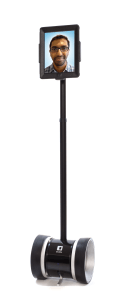 M2M For Real™ is my method to help people identify potential value from M2M in their organization. I have used it with different types of organizations and also with 150 people from different companies in a seminar. Short real-life examples are used to inspire and push creativity into the process. The examples are short since we don’t want to educate people about another industry, just create inspiration and ideas. Since they all come from the real world it helps give the feeling that M2M is here now. I have decided to start share examples like that in my blog thus hopefully help people find relevant examples for their own efforts. I will most often not mention the companies involved but sometimes I will. In order for the examples to be easy to search for I will title and tag them “Inspiring example”.
As the first inspiring example I wanted to share something really exciting: Double. It is an elegant minimalistic remotely controlled iPad holder on wheels. It combines elegance and great functionality with the power and ease-of-use of the iPad. You control the small silent robot remotely and can navigate it into any meeting or private discussion you want. Or take a close look at a painting in a gallery. Since the hight is adjustable Double can meet people face to face regardless if they sit or stand. The rechargeable batteries last all day and if you order today and pay US 2000$ you will have your Double early 2013. It is easy to fall in love with Double. Take a look and enjoy the movie.
So why do I mention Double here? It is a wonderfully designed M2M solution and there are serious efforts made to explain what we could use Double for: Video conferencing 2.0, tours without being present, promotion in public places like retail stores, etc. I am not convinced. But I believe a lot of people will buy Double simply because they can turn any home or office into a much cooler place. But the real reason why Double is important is that it creates inspiration and ideas. Just knowing that it is possible to get a nice, easy-to-use, remotely controlled communicating robot for 2.000 dollars (not 100.000 dollars) will make a lot of people come up with ideas where they can use Double to create value for them or their organization.
Leave a Comment » | Inspiring example, M2M, User Interaction | Tagged: B3IT, Inspiring examples, Internet of Things, iPad, M2M For Real™, Machine-to-Machine, Robot, usability, User interaction | Permalink
Posted by magnusmelander
August 4, 2012
 Single purpose M2M solutions have started to appear in the market. They are typically addressing one specific problem with a combination of hardware, software and communication. If the problem addressed is clear and considered big enough by many people and the solution works well then the willingness to pay should be possible to build a business around. Provided the solution uses the cloud to deliver the service from, then expanding the solution to include generic devices like smartphones, pads and PCs is an interesting next step at least to access the data but maybe to run the entire application on as well.
A good example is Coyote from France who claims over 1.7 million users of their speed camera alert system in Europe. The service is also available as an app for iPhone/iPad, Android, Blackberry and for Parrot. A Coyote device cost about 250€ including one year of service. A solution like this is also interesting for mobile operators since one agreement can sell hundreds of thousands subscriptions of the same type and each deal like this provides opportunities to add service enablement services on top of the connectivity.
The two key success factors of products like these are a high quality solution to a reasonable big problem and ease-of-use out of the box. Then people are willing to pay reasonably well for the service and word of mouth will work for marketing. Easy to buy and use solutions are also interesting in sales channels. It is quite likely that we will see many more single purpose M2M solutions onwards.
Leave a Comment » | Business Models, Cloud computing, Consumer market, M2M, M2M Service Enablers, User Interaction | Tagged: apps, B3CC, B3IT, Business model, Coyote, Internet of Things, IoT, M2M, Machine-to-Machine, speed camera, Traffic, Transportation, usability | Permalink
Posted by magnusmelander
July 3, 2012
The European Parliament just adopted a resolution where they call on the European Commission and Member States to make sure eCall is installed in every new vehicle by 2015. The Parliament consider this resolution a major step towards the roll-out of eCall in Europe that will have a significant impact on citizens’ safety.
This is certainly a good intention and with 35-40.000 Europeans killed and over a million injured in road accidents per year something needs to be done. But it is not obvious that eCall will make a big difference in that regard. Some countries don’t have national response centers which will make implementation more difficult and similar services from car manufacturers haven’t really become commercially popular. I guess the road towards less road traffic accidents starts with better drivers, better cars and better roads but I obviously hope eCall will save a lot of lives.
But connecting all new cars in a similar fashion could potentially make a difference in other ways. If some data would be made more openly available we could see a lot of new innovative services made available to drivers, owners, insurance companies and government agencies. Imagine apps like the Volvo App managing the parking heater etc becoming available for all cars, maintenance data becoming available to third party service companies, real time position data available to ITS systems, etc. And if some of these services really would take off the vehicle M2M retrofit market would be huge. We all know it by now: data is the gold of M2M.
Leave a Comment » | ITS, M2M, Safety and Security, Transportation, User Interaction | Tagged: apps, B3CC, data is the gold of M2M, eCall, European Commission, European Parliament, insurance, Internet of Things, M2M, m2m retrofit, On Call, open api, Traffic, Transportation, Volvo | Permalink
Posted by magnusmelander
May 15, 2012

Security, efficiency and sustainability are the three key promises of M2M to businesses. And most applications of M2M address one or several of these straight forward issues in an organization: minimize use of service cars, avoid production stops, save valuable time with accidents, make processes more efficient, automate to avoid expensive labour work, etc. These are straight forward in the sense that we address concrete problems quite easy to put numbers on and investments can be verified using business cases and ROI. But the ultimate value of M2M comes from innovative business models, increased brand value and other less tangible things. And these are much more complicated to identify and dress in numbers. Innovation and creativity is clearly an important part of such efforts and I would suggest companies to look at the M2M consumer market to get ideas and cases to bring home.
There is actually a fourth promise of M2M which I normally don’t talk about to businesses – convenience. But in the consumer market this is a key driver and differentiator. Other reasons to look carefully at the consumer market are the typically limited budgets forcing innovative and cost efficient solutions and the absolute requirement for easy to install and use solutions. In addition consumers are generally more open to cloud services and many of them are early adopters with smartphones, pads and other gadgets. Examples of things and tricks to bring from the consumer space to business could be the use of smartphones to connect devices cheaply to the Internet and the host of innovative cloud services using sensors and gadgets in the growing personal health and fitness market. Imagine how much the home care providers can steal with pride from here! Take also a closer look at how well many consumer services enable their users to use any and all of their devices for the service. A lot to learn there.
And by the way, isn’t the Internet-of-Things a misleading name? There is only one Internet of People and Things.
Leave a Comment » | Business Models, Cloud computing, Consumer market, M2M, User Interaction | Tagged: B3CC, B3IT, business case, Business model, Internet of People and Things, Internet of Things, IoT, M2M, Machine-to-Machine, roi, usability | Permalink
Posted by magnusmelander
January 3, 2012
 One way of describing M2M solutions is in the three steps: collect data, process data, use data. These three steps need to have standardized interfaces in order to avoid re-inventing the wheel every time we need something from the M2M solution in place. This is true when data is collected, processed and used internally but even more so when some or all data should be made available to someone else. M2M solutions are most often deployed internally with a business case developed to support the investment. They are typically there to respond to very specific internal challenges or opportunities why it’s not fully natural to think about sharing data externally when the systems are designed. However I believe we will see increasing business opportunities for owners of data collected in M2M (and other) solutions. I see at least three types of opportunities:
– making internal data available to selected or even all developers might boost perceived service levels for the company. A good example is tåg.info in Sweden where information about trains and stations are made easily available for developers who have developed popular apps like Train Info Sweden and Tågtavlan. I am convinced these apps have increased the overall perceived services by the train operators. Another great example is the “City of Stockholm Open API” where a lot of information is made available to developers and where I expect to see more and more information from M2M solutions in the city.
– making internal data available on commercial terms will probably be increasingly interesting. The more services made available, especially for smart phones and pads, the more important will quality of the service and differentiation become. And adding interesting data from a second and maybe innovative source might single out a specific service from the crowd. Let’s use weather forecasts as an example where the service with the best forecast quality can charge more or get most of the advertising money.
– making internal data available might impact the brand positively. An example could be creating indexes from the internal data which could be used by the public as comparisons and means of learning how to save energy at home, green driving, what to pay for things, etc.
Needless to say a very well thought through strategy has to be in place in order to avoid major mistakes like giving away the crown jewels or challenging peoples integrity.
In order for the big M2M boom to happen we need to make bits and pieces fit better together, end to end, in order to drive down cost for development and maintenance, to avoid duplication of efforts, to avoid fork lift upgrades of systems, simplify integration with partners and to improve time to market of services. Standardized and open API:s are important parts of that development and I think we will see an increasing amount of independent middle-men collecting data from different sources then cleaning and organizing the data in order to sell it. Such companies would help establishing standard API:s which is good for the M2M industry.
Leave a Comment » | M2M, User Interaction | Tagged: B3CC, City of Stockholm Open API, Internet of Things, IoT, M2M, Machine-to-Machine, open api, smartphone, tåg.info, tågtavlan, Train Info Sweden, User interaction | Permalink
Posted by magnusmelander
December 7, 2011
 Users
Users are typically more interested in what things and services do or deliver than how they work. They want to get the work done. Still most products and services are too cumbersome to install and use and even if they help solve important problems people are reluctant to buy and use them. Coming from IBM to Apple at the time for the Mac made me see the difference between function centric and user centric development approaches.When there is a reasonable choice,
users always chose the products they like. Some 3,5 billion people had a mobile phone when the iPhone was launched June 29 2007. It brought a completely new user experience to the market and despite many technical limitations and a high price it rapidly and fundamentally changed the mobile industry. Operators were chocked and Nokia lost. There has always been application developments for mobile phones but by enabling any and all developers to develop easy to install and use apps for millions of iPhone users and efficiently distribute and maintain them, enormous forces were released. All of a sudden a completely new way of solving small to big problems was at hand and a massive amount of apps were made available. Like when Internet took off many said “there is mainly useless garbage around”. Development started from the users. The users downloaded some 30B apps 2011 and the revenues are expected to be some 15B$ (Gartner). The users are kings.
The relevance of this for M2M is that whenever users will be involved, they must be able to use the device or devices of their choice to interact with the service. And the usability of the service needs to be in pair with what they are used to already. There will continue to be several terminal platforms and we have to support them all even if it is hard. Up until now most employers had standardized terminals but also that is changing rapidly. BYOD – Bring Your Own Device – is spreading like wildfire promoted by Cisco and others. In essence we can chose between developing apps for the different platforms, using HTML5 or using cross platform tools like MoSync, PhoneGap and Appcelerator. These choices are critical since the success of an M2M service depends on how they interact with their users.
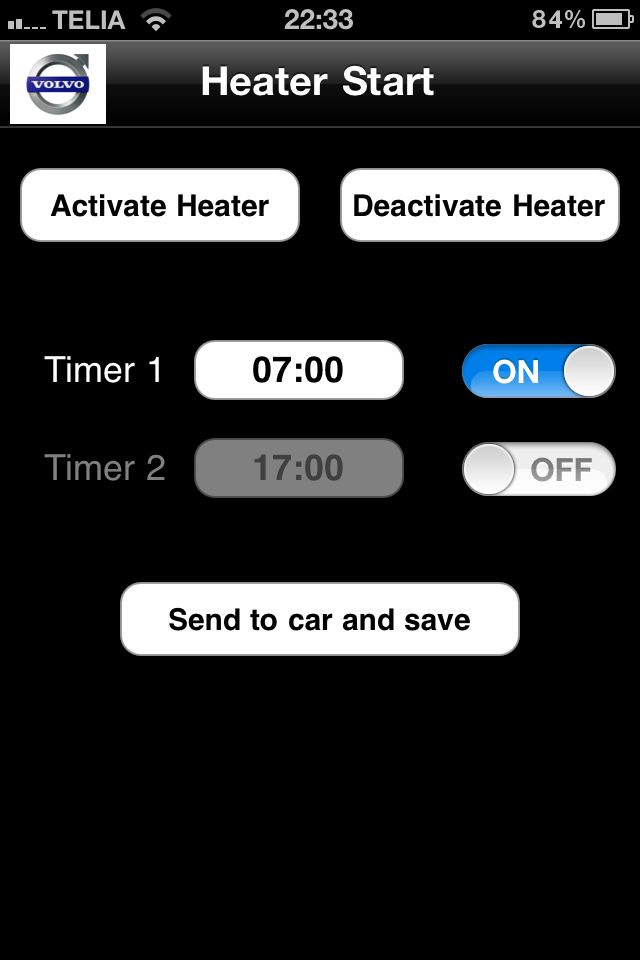
Volvo cars released an iPhone and Android app in June 2011 which use their On Call cellular service to allow users to lock the car, find their car, look at the dashboard, start the parking heater and other useful things. I’m told the app is a roaring success and if so I believe the reason is that Volvo car owners immediately understand which problems it solves for them, how it works, they can use their device of choice and it works like anything else on that device. The entire On Call technology, system and networks are invisible to them. It just works. That is a good example of how I believe M2M solutions should interact with their users.
Leave a Comment » | M2M, User Interaction | Tagged: apps, B3CC, B3IT, BYOD, Internet of Things, IoT, M2M, Machine-to-Machine, On Call, usability, user, User interaction, Volvo | Permalink
Posted by magnusmelander
 The key deliverables of M2M are efficiency, security and sustainability. M2M can also deliver convenience which mainly is relevant for the people involved. Well designed M2M implementations often deliver across all of these areas.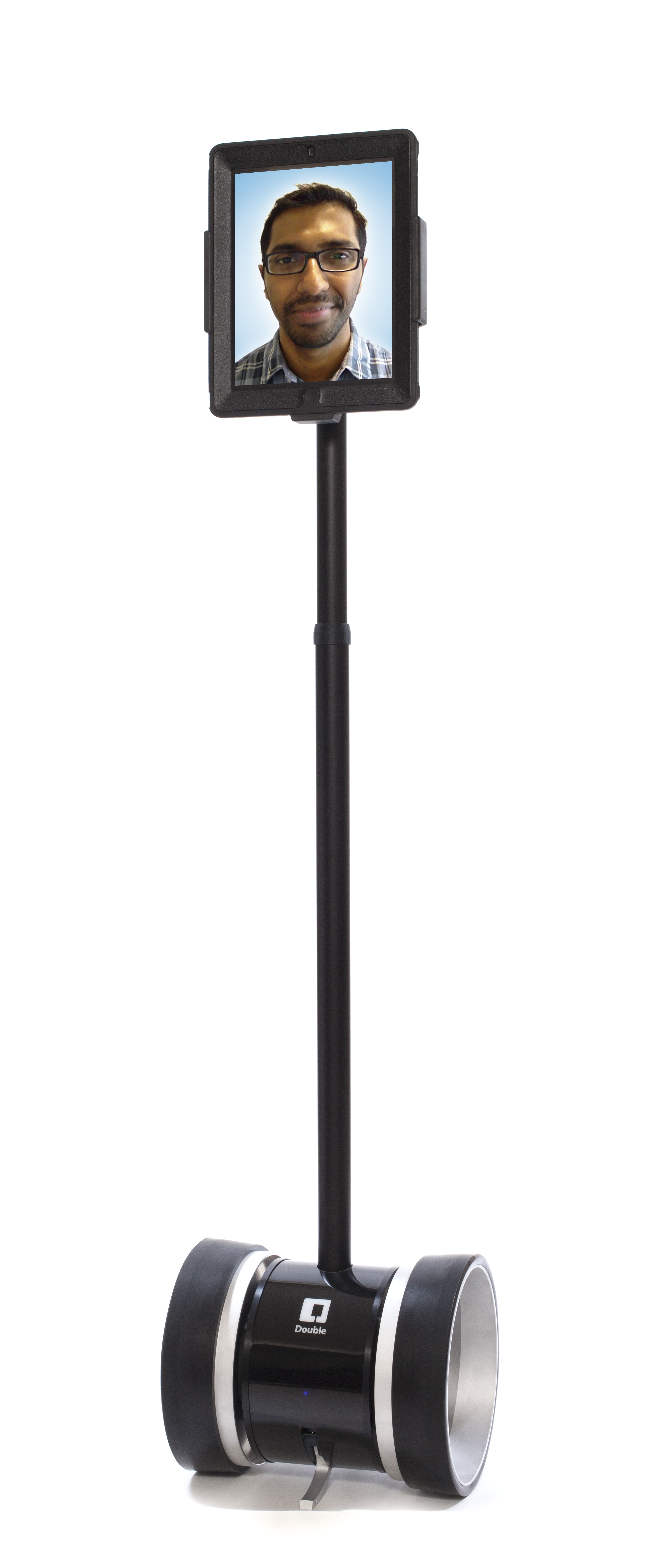



 connectcompute