March 18, 2015
 Adding things to the Internet will make extraordinary impact on industries, businesses, nations and people’s lives. And I hope it will make us take better care of our globe too. The three major deliverables of IoT – safety, sustainability and efficiency – together with convenience will do the trick. In essence IoT fuels digitization of processes and allows us to base decision-making on better, often real-time, data. Applications like preventive maintenance and scheduled repairs will make us tremendously more efficient to name one example. And one day “if it aint broken don’t fix it” might be hard to understand. The Internet of Everything is rapidly coming together and I believe we’re leaving the teens already 2016.
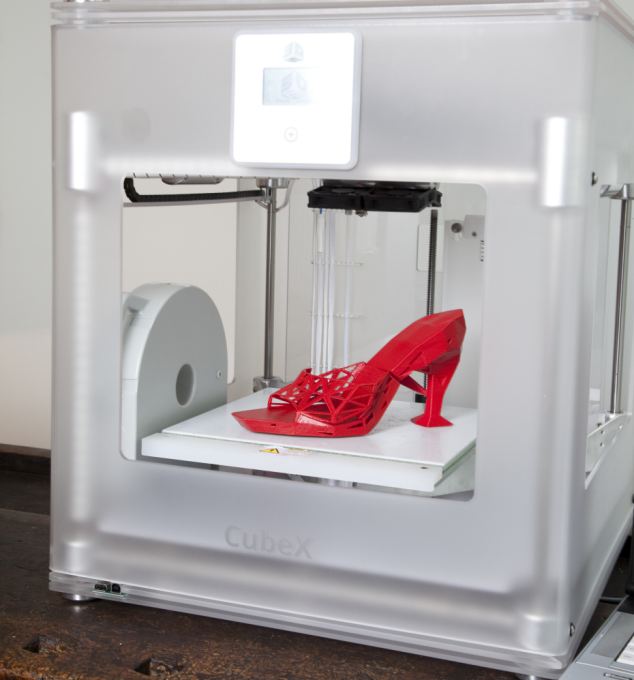
Another rapidly developing major trend is the Makers Movement. Equipment and tools have become much easier to use and really affordable. And new types of equipment like 3D printers together with a host of new materials and techniques complete the opportunity to democratise manufacturing. In other words a couple of people could easily get together and buy what it takes to make at least prototypes of their ideas. And that is exactly what has happened – there are makers everywhere, in more or less organised and specialised organisations, sharing tools, skills and facilities, training each other and building new micro startups en masse.
FabLabs,
TechShops and Makerspaces are popping up everywhere and 3D printing and scanning by itself promise massive changes on how we design and produce things, e-business, healthcare and so on.
It is hard to predict what will happen when these two mega trends meet but let me share a couple of observations to get going:
– It’s more difficult and resource consuming to design, manufacture, market and service hardware than just software
– Hardware requires more money and a wide range of expertise
– Working with hardware requires more physical interaction and relevant facilities
– Early stage investors are often reluctant to invest in hardware today
– Crowdfunding services like
Kickstarter and
Indiegogo are already loaded with hardware, often with great innovative design compared to mainstream products
– Apple combines gorgeous things with ease of use and Internet bringing continuous innovation and record profits
I find the meeting of these two mega-trends very interesting and have worked for a year with some friends trying to figure out how to turn this into serious solutions and big business. One important conclusion is that successfully making solutions with things included require great engineers, great designers, great entrepreneurs and internationally successful enterprises with things part of their solutions to collaborate with. That makes it a perfect fit for Sweden and I will do my best to help the Swedish hw start-up community become successful. We have started to use #sthlmthings for our community and I would welcome other communities to gather around similar hash tags to make it easier to follow and interact in and between “things communities”.
Things matter!
 Leave a Comment » |
  IoE, IoT, M2M, Things | Tagged: #sthlmthings, crowdfunding, hardware, hw, Internet of Things, IoE, IoT, M2M, makers, SMSE, wearables |
  Permalink
 Posted by magnusmelander
February 11, 2015
 I’ve been talking for years about the need of a network to connect “cats, bikes and smoke detectors” in order to reach the billions of connected devices people talk about. The only thing it needs to provide is heart beats, position and events, thus very very little data. The requirements are very cheap connectivity, very small and light hardware and tiny power consumption so batteries can last maybe 4-5 years. This infrastructure will complement the other ones we have and it will allow me to connect my dog for maybe 10€ a year without any over-night charging of batteries.
I have been in favour of Sigfox approach to this issue for years why todays announcement that Telefonica, NTT DoCoMo, SK Telecom, Air Liquide, GDF Suez, Eutelsat and U.S. hedge fund Elliott Management together with existing investors Elaia Partners, iXO PE, Partech Ventures and Idinvest invested 102 M€ in Sigfox came as really good news.
This gives the muscles for Ludovic and his team at
Sigfox to really start conquer the world. And this is something many of my 36 members in the Swedish IoT Alliance
SMSE have been waiting for.
Avanti!
Leave a Comment » | IoE, IoT, M2M, Networks | Tagged: Air Liquide, Eutelsat, GDF Suez, narrowband, NTT DOCOMO, Sigfox, SK Telecom, Telefonica | Permalink
Posted by magnusmelander
January 7, 2015
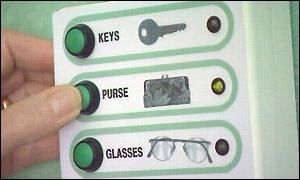 Smart Homes is a much talked about opportunity for IoT. It has what it takes to attract a lot of companies and people including those owning, managing, visiting and living or working in them. And beyond that also companies selling products and services for them. And the concept of smart homes is fluffy enough to include the three big deliverables of IoT: sustainability, safety and efficiency, as well as things like economy, comfort, fashion and entertainment.
We all know that a specific solution for every single task or device isn’t good enough. So the approach to make a remote controller for the toaster, one for the fridge and one for the kitchen fan (I actually saw a dedicated remote controller for the fan in Italy and I’m still thinking about the use-case) will not make the job. And we also know that “this is THE network for the SmartHome” approach isn’t taking us there since we already have a lot of different infrastructure and networks in houses and we have a number of different more or less technical requirements on them.
The combination of these two insights makes it hard to come up with Smart Home solutions that will capture large parts of the market, especially if we leave aside new buildings where one can start from scratch. I suggest something like a cluster approach to the challenge where we try to combine infrastructure, applications and tools to provide attractive solutions for larger parts of the Smart Home challenges. Let me give you a couple of examples what that could look like:
- The ultimate Media solution which uses IP networks to stream content easily and flexibly to and from devices and services (bring the best from Sonos, AirPlay, Spotify, Netflix, etc). Once installed you could add, change and remove hardware and software components easily.
- A really secure managed infrastructure with a tough SLA for applications and services that require an infrastructure to really trust. Applications could be alarms, door locking systems, smoke detectors and other things you are ready to pay extra for if the service is guaranteed.
- A kitchen app that interact with all your favourite Internet services for cooking and shopping, your kitchen appliances regardless of brand (or not?) and maybe energy monitoring and advice relating to the kitchen.
I have concluded that we will have at least three networks in our homes: an unmanaged Wi-Fi network which is already there, a managed very secure network with top-notch quality of service and a more generic but still managed network for things like home appliances. WAN solutions will generally speaking be too expensive and will just complement the LANs the way they always had. But some devices connected directly to a mobile network and/or narrow band WAN infrastructure like Sigfox will most certainly be part of the solutions.
One of the most interesting projects I’m currently involved in is a joint effort between a number of Swedish real estate owners and members of our alliance for Swedish IoT entrepreneurs (SMSE) with real estate focus. The request from the real estate owners was “a secure, robust and open service platform for multi-dwelling buildings” which they can install now, keep for years and have app developers to start bringing innovation to tenants, owners and maintenance staff.
We’re working with several technologies and one of the most interesting one is the well established Internet chat protocol XMPP since it provides a promising open architecture to deal with data integrity and privacy issues. We have already pulled together the bits and pieces required to run our first hackathon creating mobile apps on building automation systems talking XMPP. I’m looking forward to the next few months of this project which hopefully include a major hackathon demonstrating the power of this approach.
59.368609
18.125660
Leave a Comment » | Consumer market, IoE, IoT, Networks, Safety and Security, User Interaction | Tagged: AirPlay, Hackathon, HackSprint, IoE, IoT, M2M, Netflix, real estate, Smart home, SMSE, Sonos, Spotify, XMPP | Permalink
Posted by magnusmelander
October 30, 2014
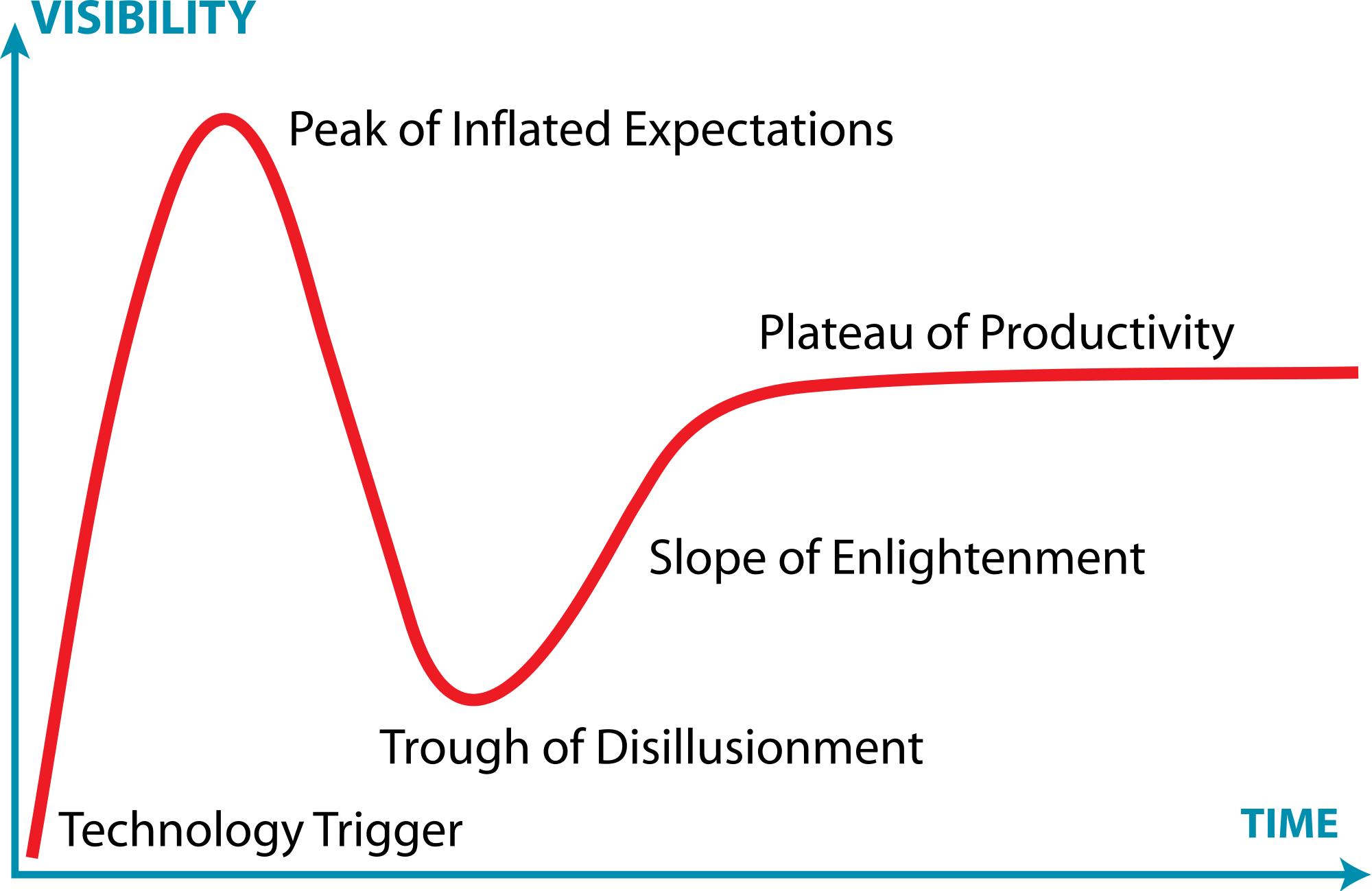
 Gartner certainly got it right when they put IoT on the top of the hype curve. This many people have never been interested in what I am working with, not even when I worked with Wi-Fi. Last week for example, Stockholm Business Region, an agency promoting Stockholm, organized a breakfast meeting. But this one was about IoT and 150 people signed up within one hour! Since they had room for 80 persons in the venue they had to shut down the registration and find a bigger place. They ended up with the largest cinema in Stockholm, some 600 registered people, exhibitors in the entrance hall and a strong line-up of speakers.
I am managing an
IoT Idea Challenge for an EU organization, EIT ICT Labs, and we set our target to 100 submissions. The submission period was September and with one day to go we had received 72 cases. The last day we received 91! For IoT to change our society, businesses and lives the way we want, everyone has to be involved. Therefore I’m glad that 18% of the submissions came from women – at least a good start. Today we announced the
eleven finalists – all amazingly interesting young companies who will
pitch in Stockholm November 13.
Well, now when a lot of people got the first part right – it is time to look into IoT – let us start prototyping and testing in order to get the whole thing right.
Leave a Comment » | IoE, IoT, M2M | Tagged: apps, Gartner, Hype curve, Internet of Everything, Internet of Things, IoT, M2M, Machine-to-Machine | Permalink
Posted by magnusmelander
October 16, 2014
 IoT is hotter than ever! Gartner just placed IoT at Peak of Inflated Expectations in their Hype Curve and forecast 5-10 years until the Plateau of Productivity. But our baby is growing much faster than anything else we have seen before and I stick to my previous view that our baby will be grown up, but still young, 2016 after only three years as teenager. Good enough technology and infrastructure are in place since a couple of years and when organizations started to go from Powerpoint and thinking to trials and pilots we reached the teens. Four things have been missing to leave the teens behind: solid participation from the IT players, a hot M&A market, active and seriously engaged enterprises and efficient easy-to-use prototyping tools for users of IoT. All these things are starting to happen now which is one of the reasons why I dare to challenge Gartner on their projection. But there is another aspect of IoT which is underestimated: how the value is created.
In most cases we build something and when it’s done we start harvest. And if customers like what we built it takes off. It might take a couple of years at least to plan, develop and start produce, then we start market and after another year or so it might take off. That explains Gartner’s 5-10 years to Plateau of Productivity, if one ever gets there. But IoT applications deliver value when the information created is distributed to an IT system, shows up in an app, makes an alarm go off somewhere or change a road sign. Initially all IoT applications had to be created end to end – from sensor to terminal – which made them expensive to make and maintain. But now we can leverage existing networks, platforms, tools, terminals and applications making it much cheaper and quicker. So far we have seen this primarily in the consumer market where a connected sensor providing data to an app has been good enough. In enterprises data management and delivery is more complicated and changes in processes and business models takes time, but they are getting there. When they do, the operational value (cheaper, faster, etc) will be obvious and the strategic value (brand, innovation, employer attractiveness, etc) will be visible in the horizon. One only has to look at what
GE is doing with Industrial Internet to understand that the impact will be massive.
Everyone promoting the story about billions of connected devices delivering data to impressive Big Data systems creating trillions of $ benefits clearly put IoT at the peak of inflated expectations. But all hard-working organizations and entrepreneurs working on industry or company specific IoT applications, well-integrated and cleverly implemented, are changing the world very fast. These efforts will start pay off soon putting competitors who haven’t started yet in a very difficult situation similar to when the frequent flyer program happened or Richard Fosbury jumped 2.24 at the Olympic Games in Maxico City 1968 using a “redicolous” new technique.
The only major difference between when we connected people and businesses to the Internet and when we connect things is that ignorance will not be an acceptable excuse this time. Beyond some clever start-ups the winners will be organizations who best understand when and how to improve their business using IoT solutions.
1 Comment | Business Models, IoE, IoT, M2M, Tools and platforms, User Interaction | Tagged: Business model, efficiency, Fosbury, Fosbury-flop, Gartner, GE, hype, Hype curve, Internet of Everything, IoE, IoT, M2M, operational value, safety, security, smartphone, strategic value, sustainability | Permalink
Posted by magnusmelander
September 11, 2014
 History repeats itself. Social robots have appeared in books and movies for years and always felt far out. But all of a sudden they say hello to you! I participated in a panel at Digital Health Days in Stockholm and one of the speakers was a blue Giraff with the avatar of their CEO Stephen von Rump, present in Saint Lewis, Missouri. They have been developing their social robot focusing on home care. It can sit, stand, talk, nod, move etc, and in our case it was Stephen’s face and voice talking to us. In their concept the Giraff becomes the gateway for all sensors and devices needed in a particular home as well as for all service providers involved including family and friends. Today the price for a Giraff is in the ball park of 10K$ but Stephen mentioned there is more to be done on the hardware.
In May I met Francesca Iannibelli, COO at
Hands company, who presented their cute social robot Adam. She gave a great presentation and left me with a feeling that they will deliver well.
Philip’s iCat,
eMuu,
KASPAR,
Furhat,
Leonardo,
Maggie,
Tico,
Anthropos,
PROBO, the stair climbing
ARTI and
Double are other examples of social robots.
It is easy to just reject the idea of using social robots but given the huge global challenge to provide desired care given the resources available I am convinced careful and clever use of social robots is one of the core components of care 2.0. Needless to say I’m glad we have
Robotdalen here in Sweden!
1 Comment | Healthcare, IoE, IoT, M2M, User Interaction | Tagged: Adam, Anthropos, Arti, Double, eMuu, Furhat, giraff, iCat, Internet of Everything, Internet of Things, IoT, Kaspar, Leonardo, Maggie, Probo, social robots, Tico, usability, User interaction | Permalink
Posted by magnusmelander
July 31, 2014
 Less is more! A young team in Sweden, Shortcut Labs, are developing a small really useful generic BLE-connected button called flic which you can program to do almost anything with your smartphone. OK? Well, there are three ways to use it: click, double-click and keep pressed. And so what? It’s easily programmable. And what should I use it for? A remote trigger to take photos with your smartphone. Call home from your car with a single click on a button. Turn on Spotify and one of your three favorite playlists on your MC. Tell your family where you are walking if you don’t feel hundred percent safe. Start Siri. And so on.
Leave a Comment » | Consumer market, Inspiring example, IoE, IoT, M2M, User Interaction | Tagged: BLE, Bluetooth, button, Internet of Everything, Internet of Things, IoT, SMSE, usability, User interaction | Permalink
Posted by magnusmelander
July 26, 2014
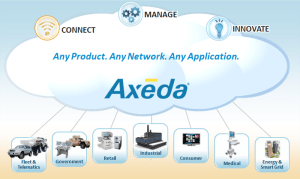
The creation of the Internet of Everything has been going on for a while now. It is easy to find estimates of the number of connected devices some years from now and how much the market will be worth but still hard to find the evidences that it actually happens and in which pace. A year ago I declared that we entered the teenage phase meaning that early moving customer started to go from power point and plans to pilot trials and roll-out. I still believe we are in the teenage phase but another important indicator – mergers and acquisitions – is starting to show that we are coming closer to the real take off. Because of this I will try to track relevant M&A deals in my blog onwards.
Intel recently acquired
Basis Science with their advanced health tracker,
Google has spent about $5B acquiring
Waze,
Nest and
Dropcam but PTC’s recent acquisition of
Axeda for $170 million in cash following their $112 million
Thingworx acquisition in December are even more interesting to me.
PTC provides systems and solutions to a long list of very large companies globally and they obviously believe being a leader in IoT system and service enablement is key. I believe the Internet of Everything will be grown-up in less than two years from now and insist that the key difference from when people and companies were connected to the Internet is that ignorance will not be an acceptable excuse this time.
1 Comment | Business Models, Cloud computing, IoE, IoT, M2M, M2M Service Enablers, Tools and platforms | Tagged: Axeda, Basis, Business model, Dropcam, Google, Intel, Internet of Everything, Internet of Things, M&A, Nest, PTC, ThingWorx, Waze | Permalink
Posted by magnusmelander
July 21, 2014
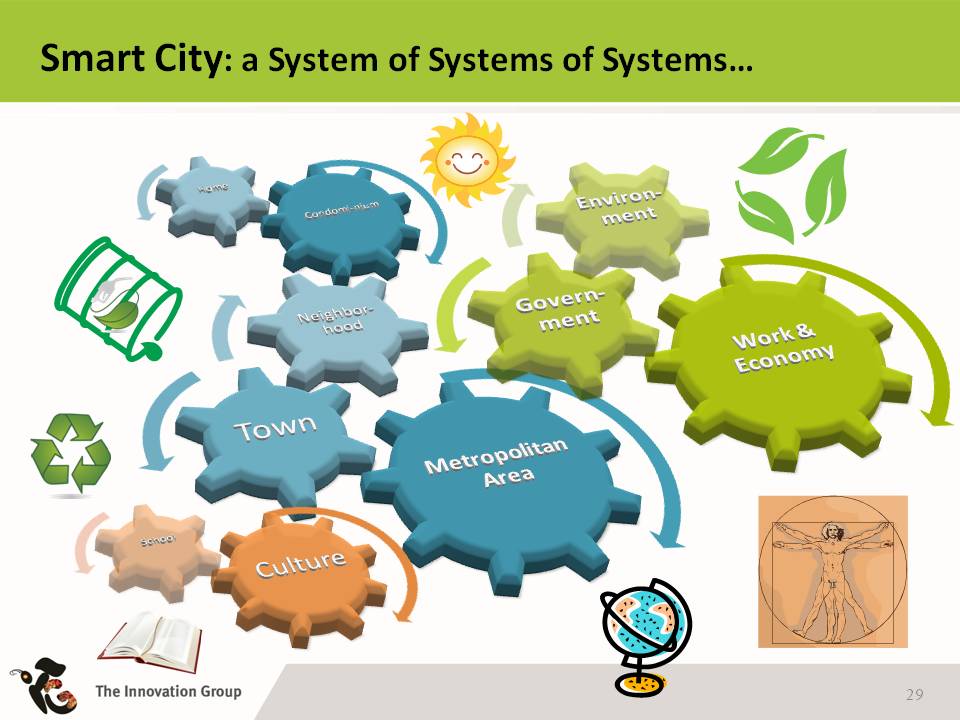
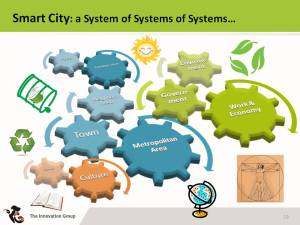 One of the most talked about areas for Internet of Things is Smart Cities. Cities themselves invest to become one. Most of the large players in IoT focus on Smart Cities. There are events, predictions, articles and show cases everywhere and each and everyone use their own definition of Smart Cities. A city is a very complex and dynamic location which from an ICT point of view could be described as a system of systems. It is obvious that sub-systems could be more efficient using IoT solutions and that the overall system of systems could be improved if the data collected was shared cleverly between the systems. No wonder Smart Cities is a perfect topic to focus on both for suppliers and municipalities.
But how much smarter has cities become over the last years? Well, there are of course impressive reference cases here and there and a lot of sub-systems in a lot of cities have become better using IoT solutions. But the size and complexity of pulling it all together in a city is difficult to deal with both from practical and technical perspectives.
This is why I am really impressed by Infracontrol, their pragmatic approach to Smart Cities and what they have been able to do. They started about 20 years ago to help cities connecting mainly traffic related things like tunnel alarms, ventilation systems and traffic lights. As they grew bigger in several cities and with new applications they developed Infracontrol Online™ 2003 to connect cities and citizens for better services. Today they have 56 Swedish municipalities using Infracontrol Online™ and their first ones in Portugal in place as well. Their customers report 60% better service quality, 30% savings in maintenance expenses, a lot of energy savings and higher citizen satisfaction. Sounds smart to me! Needless to say Infracontrol is a member of the Swedish SMSE-alliance!
Get inspired by Jenny Gustavsson’s 5 minute pitch on Infracontrol at Internet of Everything For Real™ 2014!
Leave a Comment » | Cloud computing, Inspiring example, IoE, IoT, ITS, M2M, M2M Service Enablers, Safety and Security, Transportation, Utilities | Tagged: Infracontrol, Internet of Everything, Internet of Everything For Real™, Internet of Things, IOE2014, IoT, M2M, Municipality, Smart City, SMSE, sustainability | Permalink
Posted by magnusmelander
July 4, 2014
 Better use of energy is one of the key challenges to our society today and smart metering is the first step towards a smarter electricity system. It makes it possible to understand the overall level of electricity consumption and for example compare it with historical data or similar buildings. But in order to understand which devices consumes what in a house, office or apartment we have had to put a meter on that specific device for a while and track the result.
But
Watty, a small start-up in Stockholm, is taking a completely different and much more elegant and scalable approach – they listen to the electricity and identify patterns they recognize. In a similar way as
Shazam identifies music they can see fridges, heat pumps and washing machines. Their detective mounted on the smart meter send the data to the cloud where Watty use their clever algorithms to analyze and report back in an easy to use app. They can even detect appliances that might go on fire or an open door to a fridge.
I think this is brilliant and the right approach to better energy use. Take a couple of minutes to listen to Eva Andersson at Watty presenting what they do in the Case Marathon at
Internet of Everything For Real™ 2014 in Stockholm: https://www.youtube.com/watch?v=QyfBrbh840o
Watty is of course a member of
SMSE together with 27 other Swedish start-ups in the IoE space.
Leave a Comment » | Cloud computing, Inspiring example, IoE, IoT, M2M, Utilities | Tagged: Electricity, Internet of Everything, Internet of Things, IoT, Mobil Business, smart meter, SMSE | Permalink
Posted by magnusmelander
 Adding things to the Internet will make extraordinary impact on industries, businesses, nations and people’s lives. And I hope it will make us take better care of our globe too. The three major deliverables of IoT – safety, sustainability and efficiency – together with convenience will do the trick. In essence IoT fuels digitization of processes and allows us to base decision-making on better, often real-time, data. Applications like preventive maintenance and scheduled repairs will make us tremendously more efficient to name one example. And one day “if it aint broken don’t fix it” might be hard to understand. The Internet of Everything is rapidly coming together and I believe we’re leaving the teens already 2016.





 connectcompute