 History repeats itself. Social robots have appeared in books and movies for years and always felt far out. But all of a sudden they say hello to you! I participated in a panel at Digital Health Days in Stockholm and one of the speakers was a blue Giraff with the avatar of their CEO Stephen von Rump, present in Saint Lewis, Missouri. They have been developing their social robot focusing on home care. It can sit, stand, talk, nod, move etc, and in our case it was Stephen’s face and voice talking to us. In their concept the Giraff becomes the gateway for all sensors and devices needed in a particular home as well as for all service providers involved including family and friends. Today the price for a Giraff is in the ball park of 10K$ but Stephen mentioned there is more to be done on the hardware.
Say hello to a social robot near you!
September 11, 2014
 1 Comment |
  Healthcare, IoE, IoT, M2M, User Interaction | Tagged: Adam, Anthropos, Arti, Double, eMuu, Furhat, giraff, iCat, Internet of Everything, Internet of Things, IoT, Kaspar, Leonardo, Maggie, Probo, social robots, Tico, usability, User interaction |
  Permalink
 Posted by magnusmelander
Inspiring examples: only a click away
July 31, 2014 Less is more! A young team in Sweden, Shortcut Labs, are developing a small really useful generic BLE-connected button called flic which you can program to do almost anything with your smartphone. OK? Well, there are three ways to use it: click, double-click and keep pressed. And so what? It’s easily programmable. And what should I use it for? A remote trigger to take photos with your smartphone. Call home from your car with a single click on a button. Turn on Spotify and one of your three favorite playlists on your MC. Tell your family where you are walking if you don’t feel hundred percent safe. Start Siri. And so on.
Leave a Comment » | Consumer market, Inspiring example, IoE, IoT, M2M, User Interaction | Tagged: BLE, Bluetooth, button, Internet of Everything, Internet of Things, IoT, SMSE, usability, User interaction | Permalink
Posted by magnusmelander
Inspiring example: Infracontrol makes cities talk
July 21, 2014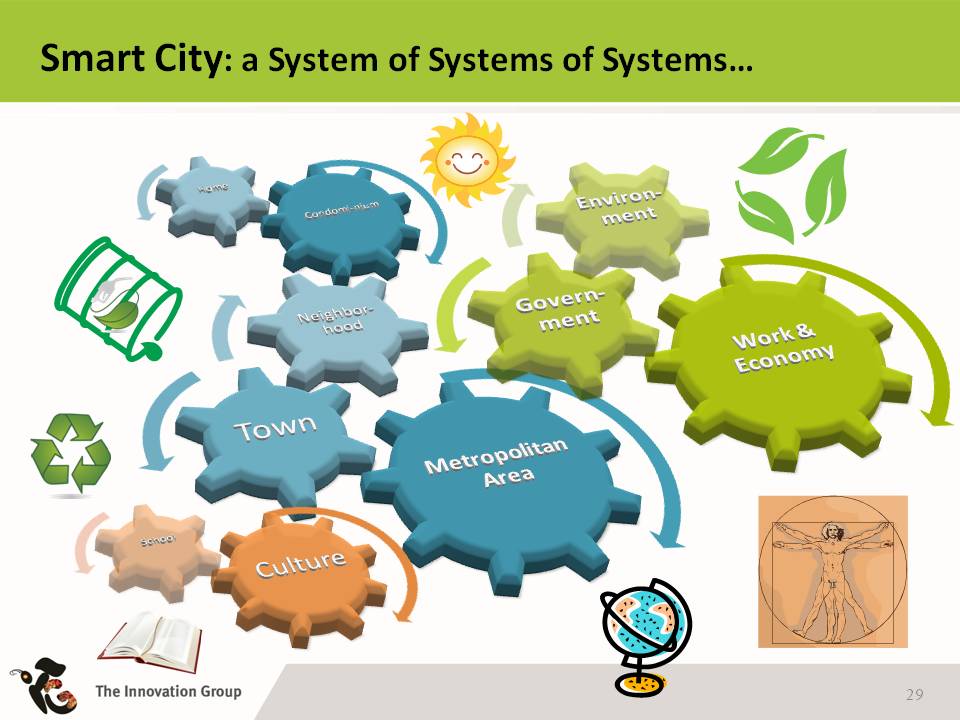 One of the most talked about areas for Internet of Things is Smart Cities. Cities themselves invest to become one. Most of the large players in IoT focus on Smart Cities. There are events, predictions, articles and show cases everywhere and each and everyone use their own definition of Smart Cities. A city is a very complex and dynamic location which from an ICT point of view could be described as a system of systems. It is obvious that sub-systems could be more efficient using IoT solutions and that the overall system of systems could be improved if the data collected was shared cleverly between the systems. No wonder Smart Cities is a perfect topic to focus on both for suppliers and municipalities.
This is why I am really impressed by Infracontrol, their pragmatic approach to Smart Cities and what they have been able to do. They started about 20 years ago to help cities connecting mainly traffic related things like tunnel alarms, ventilation systems and traffic lights. As they grew bigger in several cities and with new applications they developed Infracontrol Online™ 2003 to connect cities and citizens for better services. Today they have 56 Swedish municipalities using Infracontrol Online™ and their first ones in Portugal in place as well. Their customers report 60% better service quality, 30% savings in maintenance expenses, a lot of energy savings and higher citizen satisfaction. Sounds smart to me! Needless to say Infracontrol is a member of the Swedish SMSE-alliance!
Get inspired by Jenny Gustavsson’s 5 minute pitch on Infracontrol at Internet of Everything For Real™ 2014!
Leave a Comment » | Cloud computing, Inspiring example, IoE, IoT, ITS, M2M, M2M Service Enablers, Safety and Security, Transportation, Utilities | Tagged: Infracontrol, Internet of Everything, Internet of Everything For Real™, Internet of Things, IOE2014, IoT, M2M, Municipality, Smart City, SMSE, sustainability | Permalink
Posted by magnusmelander
Inspiring examples: Watty – like Shazam for electricity
July 4, 2014 Better use of energy is one of the key challenges to our society today and smart metering is the first step towards a smarter electricity system. It makes it possible to understand the overall level of electricity consumption and for example compare it with historical data or similar buildings. But in order to understand which devices consumes what in a house, office or apartment we have had to put a meter on that specific device for a while and track the result.
Leave a Comment » | Cloud computing, Inspiring example, IoE, IoT, M2M, Utilities | Tagged: Electricity, Internet of Everything, Internet of Things, IoT, Mobil Business, smart meter, SMSE | Permalink
Posted by magnusmelander
Don’t forget the IoE entrepreneurs!
July 1, 2014 Entrepreneurs have always made the difference. And will always be the ones pushing the boundaries and finding new innovative solutions to problems. They continuously bet their time, energy, savings, past and future on making their ideas fly. And they are always the ones to create the next big thing. When we look back at how we ended up where we are, it is easy to pin-point the inventions, individuals and companies that made difference. But it is very difficult to figure out which few of all thousands of entrepreneurs that will make the difference onwards.
If we read the books of recent history we will find that the Internet started off as a research project but entrepreneurs made it what it is today. ISP:s connected people and businesses to the Internet, companies like US Robotics provided fast affordable modems and remote access solutions, Netscape and others created browsers and Alta Vista powerful search engines. Then thousands of web designers started to make good-looking web sites followed by CMS systems for more organized creation and maintenance of webs. While organizations started to benefit from the efficiency and improved service possibilities using the Internet, entrepreneurs exploited new innovative ways of doing things and completely new ideas. And ever since we have seen new innovative companies growing from nothing to big or huge: Amazon, Google, Twitter, SalesForce.com, LinkedIn, Spotify, Skype, Klarna, iZettle and TrueCaller just to mention a few – yes I am Swedish… Nobody figured out before hand how the Internet value chains would look like, which business models would be successful, the impact it would make or which companies would become the new giants.
I would welcome more appreciation and support for the entrepreneurs! They don’t need a lot and it is paying customers who should fund most of their development. But a little help to go abroad to meet potential customers and partners and, most importantly, commercial pilot projects at home would be a very good start. There are initiatives already including startup and incubation programs, competitions like EIT ICT Labs Idea Challenge, Cisco’s IoT challenge and IPSO Alliance IoT Competition as well as investors looking into this field. But let’s give the entrepreneurs what they need to make this happen for us!
Leave a Comment » | IoE, IoT, M2M | Tagged: AltaVista, Amazone, Cisco, EIT OCT, EIT OCT Labs, Entrepreneur, Google, Internet of Everything, Internet of Things, IoT, IPSO, iZettle, Klarna, LinkedIn, M2M, Netscape, Salesforce.com, Skype, Spotify, True Caller, Twitter, US Robotics | Permalink
Posted by magnusmelander
No more men-to-men
May 29, 2014 The Internet of Everything promises enormous potential and a lot of us are excited. I believe it is needed to save the planet, to provide the safety and security we want and to bring the efficiency needed to afford healthcare and other important things across the globe. The Internet of Everything will touch all of us and our pets. It will be in our homes, offices and cars and more or less everywhere else. It is one of the things that can help make our common future bright.
In my closing remarks I underlined the seriousness of this issue and asked everyone in the room to immediately start hire and promote women in their organizations. I believe that is the only way we can fix this embarrassing problem – taking personal responsibility in order to collectively move our industry forward. If we don’t we will collectively prevent rapid and prosperous growth in the Internet of Everything.
I attended a tech meet-up on wearable computing in Stockholm a couple of weeks ago. Wearable computing is definitely technology which will become very important onwards, both for consumers but even more so in wellness/healthcare. We were almost 100 excited people in the room listening to an interesting presentation by Narrative. I had a great feeling of being at the right place with the coolest people on earth. The ones who will bring our next wave of innovation, export and wealth. Interestingly enough we were people from all over the world in the room and almost half of us were women! That’s the future of Internet of Everything!
Find some great women, hire them, promote them! Now!
Leave a Comment » | IoT, M2M | Tagged: Internet of Everything, Internet of Things, IoT, narrative, women | Permalink
Posted by magnusmelander
Connected watches and glasses are not the next big thing
May 11, 2014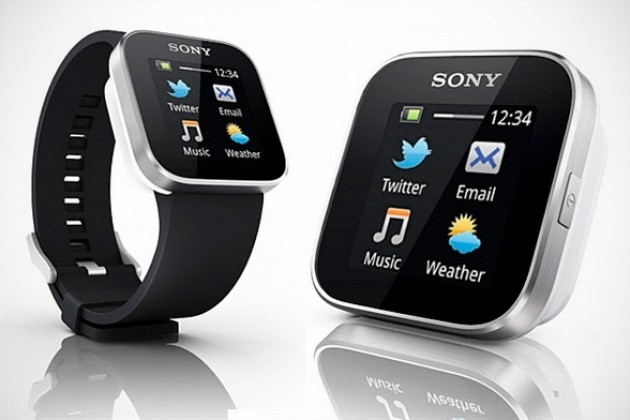 M2M or Internet of Things is not an industry. It’s more of a process describing that we are continuously connecting more things to the Internet. And it is a way to segment markets like how many dishwashers are connected and how many SIM cards are used in other things than phones and pads. Connecting things is not a big deal by itself but the data collected over the connection can make a huge difference when it shows up in systems for decision-making, process management, document management, monitoring and alarms, security and so on. It is when the data becomes information in relevant systems that the value appears. This is why I believe the IT industry must play the key role in pulling together the complete applications delivering the value thus enabling the investment decisions. A complete application always include the collection of data (sensors, networks, gateways, etc), management of data (i.e. making useful information for the application) and distribution (i.e. integration, app development, etc). Three distinct parts and at least three different industries.
This is well understood in the enterprise world which also explains why it takes some time to get going. But make no mistake – it will happen in all industries, it will bring massive effects and will redefine many businesses. GE is probably the best possible example of a large enterprise who identified this early on and got going with massive investments and rapid results. The future of the Internet of Everything is created by doers not politicians, thinkers, analysts, researchers, etc. The best approach is to keep eyes open for interesting examples from real life. Not only from your own industry. Identify and select problems and challenges relevant for this technology and start prototype and test. An agile approach with rapid prototyping and real-time testing with users is the way forward.
Up until now we have seen a lot of early successes by companies doing it all. There are companies like that in every single country. This is the obvious winning approach to overcome severe complexity in a new market. But this will change rapidly and new partnerships and value chains will be created to bring solutions to customers in different industries. This is how the IT industry solved issues before and this is why they are needed to participate in building the Internet of Everything. One area where we will see this change very fast is connected accessories like watches, wristbands, etc. A couple of years ago companies started to launched their wristbands and connected watches with an application or service attached. Good start to get to market but obviously not the right way moving forward. We want services where you can connect your devices of choice which allows you to also manage your data properly and distribute the information as you like.
Nobody expected the wristbands to become the new smart phone or pad, but sometimes I meet people who believe smart watches or Google Glasses is the next big thing. I think that is way off. These things are accessories and play in the same league as keyboards and mice. I think we will see the brands focus more on the services maybe with a branded device to show the way. The devices will be more standardized to fit all major services and we all will have to look for the next big thing somewhere else. I just received a 50$ quote for 500 units of a no-brand connected watch which looked quite nice and sophisticated and had decent features and specs. These accessories are about to become commodities and will soon show up in the weekly flow of deals in your inbasket. Data is the gold of M2M – that’s where the value is and that’s where the brands will want to be.
1 Comment | Business Models, Consumer market, IoT, M2M | Tagged: GE, google glass, Internet of Everything, Internet of Things, IoT, IT, smart watch, User interaction, watch, wristband | Permalink
Posted by magnusmelander
Time for IT players to step forward
April 30, 2014 In April last year I wrote that the M2M industry was leaving the connectivity focused baby phase and entered its teens. This was great news and happened much faster than when we connected people and businesses to the Internet. In essence this meant that all players who wanted to be part of building the Internet of Everything, not only the connectivity guys, started to gather around the table. Looking at when Internet of people and businesses was developed made it obvious that no one could make it alone and partnerships became the name of the game. That’s pretty much where we are today and these efforts are very promising.
A major change has to take place before the industry leaves its teens and the building of Internet of Everything gains solid momentum – the IT companies have to take the lead. Up until now connectivity players have been enabling and driving but since “data is the gold of M2M” it has to be the IT players who take over before we really can get going. The value of any M2M application is realized when the information collected or created shows up in a decision-making system or a system managing processes of any kind. This is why application developers, system integrators, app developers, architects, UX designers, CIO:s, business analysts and others are key to bring on board. And this is why leading IT companies will have to join the party before take off.
I have been waiting for the first ones to walk the talk and I’m delighted to share with you that it’s happening here and now! Cisco has rapidly been ramping up their efforts in the Internet of Everything space with research, reports, speeches, acquisitions, idea challenges, etc. And last week they joined our Swedish M2M Service Enabler (SMSE) alliance as the first sponsor from the IT industry. This was very well received by our 26 members of the alliance and media. I expect collaboration and results quite rapidly and I am convinced we will have the leading IT players in Sweden, vendors and consultants, in our alliance before summer. My aim is to make Internet of Everything for Real 2014 in Stockholm June 18 the first event where leading connectivity and IT players will discuss how to create and promote the Internet of Everything together with the entrepreneurs and customers.
Yet another evidence of the importance of IT in building the Internet of Everything was an interview with Klas Bendrik, Group CIO at Volvo Cars, in CIO Sweden today (in Swedish). Mr Bendrik says that everything change when both customers and products are connected – how they develop, design, sell and service cars. It influences the entire life cycle of the car and redefines the entire foundation for their company. “I and our IT function get involved in all business development when IT becomes part of the core processes in the car life cycle”. Voila! Data is the gold of M2M. The only difference from when Internet of people and businesses was built is that ignorance will not be an acceptable excuse this time. Decision makers need to look into what the Internet of Everything will mean to their business and industry now.
Leave a Comment » | Business Models, IoT, M2M | Tagged: Business model, CIO, Cisco, Internet of Everything, Internet of Things, IoT, M2M, SMSE, Volvo Car | Permalink
Posted by magnusmelander
We are making things again!
April 14, 2014 Companies have moved manufacturing of things to developing countries since many years. The reasons have primarily been competitiveness and profitability and the results of this are well-known and documented. Focus on software and the Internet made knowledge of making and marketing touchable products, things, scarce in countries like Sweden. It’s not that we are lacking ideas or can’t make a nice design but manufacturing, service and communication of products need to be closely integrated for superb results. Great ideas and designs are gradually taken down towards “normal” for every consultant, advisor, middle-man, controller and purchaser that gets involved. Huge cost-efficient factories only manufacture huge quantities and cost consciousness efficiently replace odd designs and components to those easier to manufacture and cheaper to buy. Most of this is obviously very good since we don’t want a world with only guordiously designed and incredibly expensive things! But take a look at things around you and you will see a lot of “global look and feel” in neutral colors and with rounded corners. Smartphones are really good examples – a huge, growing, rapidly changing and innovative market with youngsters showing the way should produce some sexy products but they all look more or less the same.
But the pendulum is swinging back again! There are many reasons why we will start to see much more things being designed and built “at home” onwards. Let me give you a couple:
1 Comment | Consumer market, Inspiring example, IoT, M2M, User Interaction | Tagged: hardware, Humans since 1982, Internet of Things, IoT, Teenage Engineering, Things, User interaction | Permalink
Posted by magnusmelander
Inspiring examples: the Ball Camera
April 10, 2014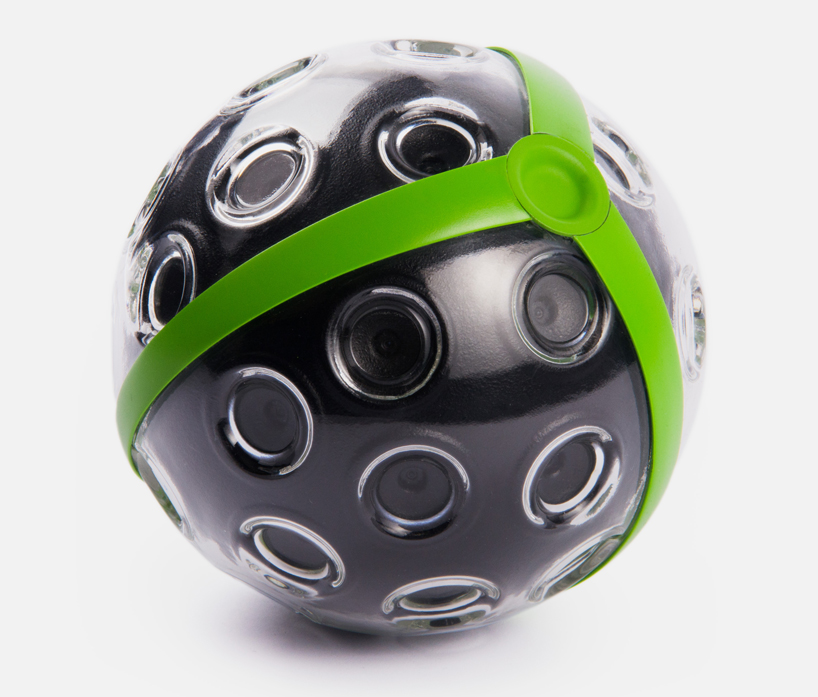 While brands like Kodak and Agfa rarely are mentioned together with photography any longer, people are taking and dealing with photos all the time and everywhere. This is yet another astonishing example of what happens when an industry moves from analog to digital. The famous “Kodak moment” belongs to history and mobile phones with powerful cameras, panoramic pictures, SnapChat and selfies are here. With 24 or 36 photos in an expensive roll with even more expensive development and printing needed, we paid a lot of attention to each and everyone of our photos. Today we take shots to remember the registration plate of the car we rented, what was written on the whiteboard and to digitalize a piece of paper and transfer it somewhere.
1 Comment | Consumer market, Inspiring example, M2M | Tagged: ball camera, camera, EIT ICT, Internet of Things, IoT, M2M, Machine-to-Machine, panino, panoramic, User interaction | Permalink
Posted by magnusmelander
 connectcompute